
How Dry Needling Helps When Nerve Pain Won’t Let Up
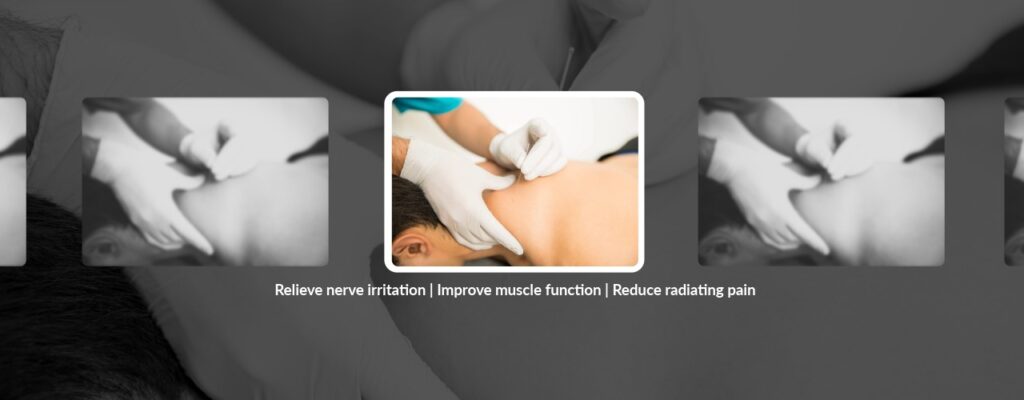
Nerve pain can make daily life unpredictable and difficult. Whether it feels like burning, tingling, or sharp shooting sensations, this type of pain often resists rest, medication, or general stretching. When traditional methods fall short, many patients are surprised to find relief through dry needling for nerve pain, a targeted technique used in physical therapy to reduce tension and irritation in the muscles surrounding irritated nerves.
This blog explores how dry needling works, how it interacts with nerve-related symptoms, and why it can offer meaningful relief when other options have not.
Understanding the Nature of Nerve Pain
Nerve pain, also known as neuropathic pain, typically arises when a nerve becomes compressed, inflamed, or otherwise disrupted. It may result from injuries, conditions like sciatica, postural stress, or even surgery. Unlike muscular soreness, nerve pain does not always improve with rest or over-the-counter medications. It may even worsen with prolonged inactivity or poor body mechanics.
What makes nerve pain especially difficult is that the source may not always be where the symptoms are felt. A pinched nerve in the lower back can send pain down the leg, while tight muscles in the neck can trigger numbness in the fingers. The nervous system is a complex network, and pinpointing the underlying issue requires a thorough physical therapy assessment.
The Science Behind Dry Needling for Nerve Pain
Dry needling involves inserting a thin, sterile needle into specific trigger points in muscles. These trigger points often develop when muscles tighten and shorten in response to injury or stress, creating local tenderness and referred pain. While dry needling does not directly contact nerves, it reduces muscle tension that can compress or irritate them.
In cases of dry needling for nerve pain, therapists identify muscles that are contributing to nerve irritation. By releasing these muscles, blood flow improves, inflammation may decrease, and the nerve is no longer compressed. Patients often feel relief after just a few sessions, with results improving as surrounding muscles begin to relax and function more normally.
Why Muscles Matter When Nerves Hurt
You might wonder why a muscle-based technique can help with nerve pain. Here’s the connection: when muscles become overworked or tense, they can squeeze nearby nerves. This compression can limit nerve signaling, leading to pain, numbness, or tingling. Some common examples include:
- Piriformis syndrome, where a tight hip muscle compresses the sciatic nerve
- Thoracic outlet syndrome, where tight shoulder muscles affect nerves going down the arm
- Cervical radiculopathy, where neck muscles contribute to pain radiating down the arm
Dry needling for nerve pain targets these tight muscles and gives the nerves space to move and function properly again. This approach is especially helpful for people whose pain seems to move or fluctuate in intensity, a common feature of nerve-related symptoms.
One Step in a Comprehensive Plan
Dry needling is rarely used alone. At Elite Physical Therapy and Sports Performance , our physical therapists combine it with other evidence-based treatments such as manual therapy, posture correction, and movement training. This combination helps reinforce the muscle release effects of dry needling while teaching your body to maintain balance and reduce future strain.
For example, someone with sciatic nerve irritation may benefit from dry needling to reduce hip and back tension, followed by exercises that strengthen the glutes and improve core stability. As muscle balance improves, the pressure on the nerve decreases, and symptoms often resolve more quickly.
Dry Needling for Nerve Pain: A Tool for Real Progress
For many patients, dry needling for nerve pain helps bridge the gap between symptom management and real recovery. It works best when applied by licensed professionals who understand anatomy and tailor the treatment to your specific needs. This level of care ensures safety and allows patients to build on the benefits of needling with other supportive techniques.
Because nerve pain can be persistent and complex, trying to self-manage it without addressing muscular involvement often leads to frustration. At Elite Physical Therapy and Sports Performance , we assess how the entire musculoskeletal system contributes to your discomfort and apply strategies that help restore lasting function.
Find Support That Gets Results
If nerve pain is interfering with your routine and nothing has helped so far, know that you are not out of options. The team at Elite Physical Therapy and Sports Performance offers comprehensive assessments and personalized plans that include dry needling, movement education, and supportive care tailored to your condition.
Take the first step toward relief. Contact Elite Physical Therapy and Sports Performance today to learn how we can help you feel better, move more comfortably, and return to doing what you enjoy.