
How to Manage Shoulder Pain at Home
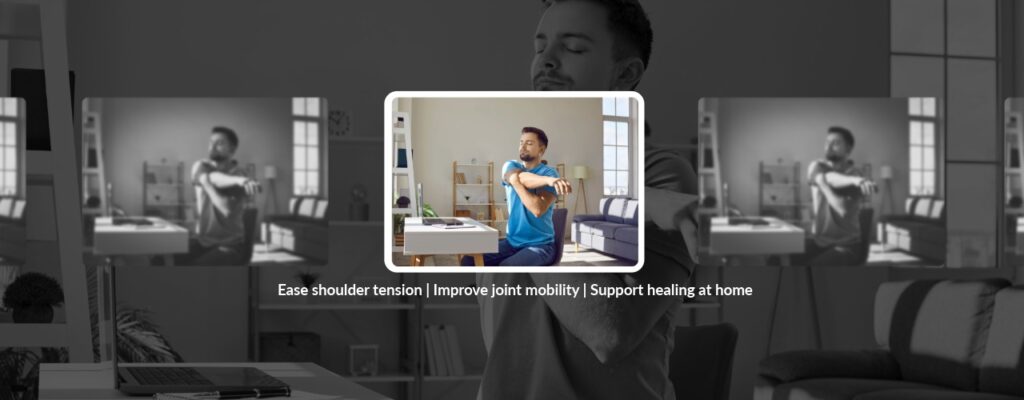
Shoulder pain can interfere with your ability to work, sleep, and enjoy your daily routine. Whether caused by overuse, a minor injury, or poor posture, learning how to manage shoulder pain at home can help reduce discomfort and support your recovery. While a full assessment from a movement specialist is often the best first step, there are many ways you can relieve tension, protect your shoulder joint, and restore mobility from home.
This guide outlines several practical strategies that anyone can implement, whether you are waiting for your first appointment or trying to maintain progress between physical therapy sessions.
Five Tips for Managing At-Home Shoulder Pain
Understand What Triggers Your Pain
Before jumping into any self-care routine, take a moment to identify which activities tend to aggravate your shoulder. Many people find their pain increases when lifting overhead, reaching behind their back, or sleeping on the affected side.
Understanding what triggers your symptoms can help you avoid irritation, rest the joint when necessary, and select exercises that do not worsen inflammation. If pain persists during basic tasks, contact Elite Physical Therapy and Sports Performance for guidance on safe ways to begin healing.
Create a Shoulder-Friendly Environment
One simple way to manage shoulder pain at home is by making your daily setup more joint-friendly. If your shoulder pain is linked to desk work, driving, or sleeping positions, small changes can make a big difference.
- Adjust your chair or monitor height to keep your arms relaxed by your sides.
- Use a pillow between your arm and torso at night for better shoulder support.
- Avoid carrying heavy bags on one shoulder; use a backpack or distribute weight evenly.
These changes reduce strain on irritated muscles and support healthy posture throughout the day.
Prioritize Gentle Shoulder Movements
Motion is essential for healing, even in painful joints. Once cleared by a professional, start with gentle, pain-free movements to reduce stiffness and improve blood flow.
For example:
- Slowly raise your arm forward as far as is comfortable, then return to the starting position.
- Try pendulum swings, or wall walks to encourage motion without adding weight.
- Perform movements in a warm shower or after applying heat to loosen tissues.
The goal is to restore mobility without provoking inflammation or pinching structures inside the shoulder.
Ice for Pain, Heat for Stiffness
If your pain feels sharp, swollen, or warm to the touch, apply a cold pack for short periods throughout the day to help reduce discomfort. Ice helps dull the pain but does not heal the injury.
For chronic tightness or soreness without swelling, heat can be more helpful. A warm compress, hot water bottle, or heating pad can relax tight muscles before gentle stretches. Never use heat immediately after an injury or if swelling is present.
Support Recovery With Light Strength Work
As your symptoms ease, consider introducing low-resistance strengthening exercises to protect your shoulder and prevent future irritation. Use resistance bands or body weight to target the rotator cuff and surrounding muscles.
Start with:
- Isometric holds
- External and internal rotations with minimal resistance
- Wall push-ups or scapular squeezes
If pain increases after strength work, scale back or consult a provider at Elite Physical Therapy and Sports Performance to ensure the timing and exercise selection are right for your stage of recovery.
One Step at a Time: How to Manage Shoulder Pain at Home
It is easy to get discouraged when daily tasks are interrupted by shoulder pain. But with patience and the right routine, you can manage shoulder pain at home while supporting long-term healing. Here is a quick checklist to keep your recovery on track:
- Identify and avoid painful movements
- Make small posture and habit adjustments
- Use ice or heat based on your symptoms
- Keep the joint moving gently and often
- Build strength gradually with safe exercises
- Monitor your progress and rest when needed
These steps work best when guided by professional insight. At Elite Physical Therapy and Sports Performance , our physical therapists develop care plans tailored to your needs, your lifestyle, and your recovery timeline. We can help you safely transition from at-home care to a more structured therapy program.
If your shoulder pain has lasted more than a few days, or if you feel stuck in your progress, reach out to Elite Physical Therapy and Sports Performance today. Our team is here to help you recover, move better, and get back to doing what you love.